Waterproofing is a significant process during construction that protects the building from rainwater, seepage etc., as these can result in hefty maintenance over time. Regardless of whether it’s a house or an office building, proper waterproofing makes the structure last longer, endure sun and weather, and furnish a safe surroundings. In this article we will discover 10 of the best waterproofing methods that can be used for construction purposes and why hiring reliable waterproofing services in Auckland is very important to your project’s success.
Bituminous Membrane Waterproofing
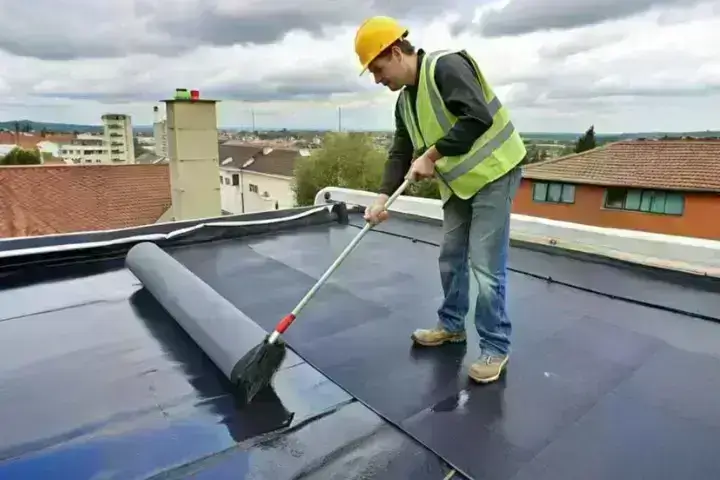
Bituminous membrane with its excellent waterproofing characteristics and adhesion is widely used for roofing or terrace. It is made of asphalt and comes either self-adhesive or torch-applied. This kind acts as an outstanding moisture barrier and is quite easy to set up.
Cementitious Waterproofing
You are suitable for those internal wet areas like bathrooms and kitchens, cementitious waterproofing. It uses a cement-based material that creates a waterproof barrier when it is cured. The construction sector uses this method very often, as it is reliable and cost effective, simple to implement on-site.
Liquid Waterproofing Membrane
Liquid-water membrane is a liquid layer that cures into rubbery protection when sprayed or rolled on. Versatile for roofs and other surfaces, This is adjustable to different shapes and structures, Fully covered.
Polyurethane Liquid Membrane
This generates an approach that is well recognised for its versatility and longevity. For instance, polyurethane liquid membranes are fabricated as flat roof material for the purpose of protecting a roof exposed to weather elements. They are designed to flex, allowing for building movements without cracking or losing adhesion.
Bentonite Clay
They are also found in areas with heavy exposure to water like basements and they use bentonite clay. When you pour water on it, this natural clay swells and creates a water-resistant seal. Watertight panels of bentonite are within the foundation walls used to provide a permanent solution.
EPDM Rubber
Ethylene Propylene Diene Monomer (EPDM): EPDM is used primarily as a synthetic rubber to waterproof roofs and is widely utilized for this purpose. Extremely UV and weather-resistant, and very durable with ultra low maintenance.
PVC Waterproofing Membrane
PVC (Polyvinyl Chloride) membranes provide flexibility, strength, and durability. They are often used for water reservoirs, ponds and terraces. It is eco-friendly, certainly chemical resistant, even widely used material.
Torch-on Membranes
In torch-on membranes, such as ‘torch on torch off,’ sheets of modified bitumen are rolled onto surfaces using heat. This produces a waterproof surface that is perfect for roofs and terraces. It has excellent weather and physical wear resistance.
Crystalline Waterproofing
This is an advanced method that involves substances that react with the concrete and produce crystals. These crystals actually block capillaries and small breakage, allowing breathable concrete to become water-resistant. It is commonly utilized for basements, foundations and also water tanks due to its remarkable wetness resistance.
Spray Polyurethane Foam (SPF)
SPF is a two-component system that, upon application, turns into a solid thermal-insulating and waterproofing layer. Thanks to these characteristics, it is ideal for roofing systems. SPF provides a continuous barrier to air and water intrusion.
By collaborating with a dedicated waterproofing company.
You will need to work with a company that specializes in waterproofing the task you are taking on. For instance, a well-experienced waterproofing business in Auckland comes with years of experience and exposure to local conditions and regulatory requirements; therefore, making your project inject with quality and up to standard.
They provide professional evaluations, tailored options and products to handle individual waterproofing requirements. They also offer warranties and guarantees for their services, which gives you peace of mind and protects your investment.
The Importance of Professional Expertise
Waterproofing is a niche area of expertise with an exacting comprehension of materials and procedures. Professionals make sure that waterproofing is done correctly which can help in eliminating the risks of water damage and limiting its life.
And they more optimally allocate resources so that the best approaches and materials are chosen depending on structural requirements, budget constraints or anticipated environmental conditions.
Conclusion
These waterproofing is important for the protection of various structures against water damage. Fortunately, there are several techniques to prevent water from penetrating your structures – bituminous membranes, liquid membranes and crystalline waterproofing among them.
The key to getting it done properly is hiring a professional waterproofing company in Auckland, or any other city for that matter. They have the experience and knowledge to ensure that high quality waterproofing solutions are applied appropriately, saving your investment for years to come. Be it constructing a new edifice or rejuvenating the old, waterproofing should always reign paramount for the construction to be maximally beneficial in the long run.